
- Styles

Our Signature Plans
Shop Now
- Collections
Most Popular
By Size
Trending

Thanks for your question.
We'll be in touch shortly.
Thank you for your inquiry. Your message has been sent.
We'll be in touch shortly.
Start Your Search
- Collections >
- Cabin >
- A-Frame House Plans
A-Frame House Plans
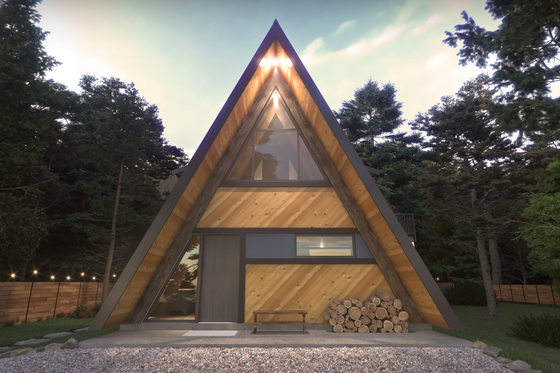
Instantly recognizable by their bold triangular silhouette, A-frame house plans blend rustic charm with modern simplicity. Their steep roofs, open layouts, and walls of glass create bright, inviting spaces that connect effortlessly to nature.
A-Frame House Plans
Instantly recognizable by their bold triangular silhouette, A-frame house plans blend rustic charm with modern simplicity. Their steep roofs, open layouts, and walls of glass create bright, inviting spaces that connect effortlessly to nature.
Gaining popularity in the 1950s, these iconic designs helped shape a new era of stylish retreats (learn more in A Field Guide to American Houses by Virginia Savage McAlester).
Perfect for mountain cabins, lakeside getaways, or cozy full-time living, A-frame house plans offer timeless appeal and easy-going comfort.
A-Frame House Plans Q&A / FAQs

What are the key characteristics of A-frame house plans?
Interested in A-frame-style homes? Key characteristics include:
- Signature "A"-shaped design with steeply sloped roofs
- Expansive decks for outdoor living
- Open-concept interiors
- Cozy masonry fireplaces
- Loft areas that add extra space and charm
What are the typical cost considerations for building an A-frame home?
The cost of building an A-frame house can vary widely, with factors like size, design complexity, and location playing the biggest roles. Below are the key cost considerations to keep in mind when planning your A-frame build:
-
Materials and finishes: Premium or custom materials and high-end finishes will increase overall costs.
-
Location: Building costs can shift dramatically based on land prices, permit and inspection fees, and local labor rates.
-
Pre-construction expenses: These include site preparation, permits, and contractor fees before construction officially begins.
-
Labor: When building a new house plan, New Home Source says that "Labor costs are the third major expense to keep in mind. This will also vary by the size of your project, timeline, location, and access to quality materials."
-
Size: As with most homes, larger A-frame plans require more materials and labor, resulting in higher costs.
-
Design complexity: Unique features such as vaulted ceilings or intricate framing details tend to increase costs due to the additional time, labor, and materials required.
-
Expansive windows: While the straightforward structure of an A-frame plan tends to be budget-friendly, adding the classic wall of windows can significantly increase costs because of the price of large glass panels.
To get a better idea of what a particular house plan will cost to build in your area, we recommend discussing your plan with your builder. You can also order a cost to build report for any house plan on our site. Just click the Get Cost to Build Report button on the plan detail page. Have more questions about cost to build? Check out our Cost to Build FAQ.
What makes a great A-frame house plan design?
A great A-frame house plan blends the charm of its iconic roofline with smart, livable design. The best ones make the most of natural light, open space, and thoughtful storage, while keeping the layout comfortable and practical for everyday living.
Can I customize an A-frame house plan to fit my needs?
Yes! In fact, customizing an A-frame house plan is the best way to create a home that truly fits your lifestyle and personality. Our team of design experts can help you adjust any layout to make it just right for you. Popular modification requests include:
- Moving or resizing windows and doors
- Adjusting ceiling heights to add warmth, character, or airiness
- Expanding or streamlining the footprint
- Rearranging room layouts for better comfort and flow
- Increasing or decreasing the number of garage bays
- Changing the foundation and/or framing
Have more questions about house plan customizations? Check out our Modification Guide, or give us a call.
A-frame vs cabin vs Chalet: what’s the difference?
A-frame, cabin, and chalet house plans share rustic mountain vibes but differ in architectural shape, construction techniques, and the living experience they offer.
-
A-frame house plans are characterized by a tall, steeply sloping, triangular roof that forms an "A" shape, extending from the peak down to the ground on both sides.
-
Traditional cabin house plans are boxier structures, usually with vertical walls and a gabled or flat roof, offering full-height walls on all sides.
-
Chalet house plans add extra flair – think playful porch railings or curved "wiggle board" eaves that soften the sharp lines of the classic A-frame roof.
What are the advantages of A-frame house designs?
A-frame house plans combine striking looks and a strong connection to the outdoors. If you love lots of natural light and open spaces, and you enjoy getting creative with your interiors, an A-frame house plan could be just the right fit.
Advantages:
- Stylish and visually striking
- Great for snowy climates (thanks to their steeply sloped roof)
- Affordable and builder-friendly
- Lots of natural light
- Indoor-outdoor living
What are the disadvantages of A-frame house designs?
A-frame house plans offer bold architectural style and a seamless connection to nature, though they do come with a few practical trade-offs – particularly in terms of space and storage.
Disadvantages:
- Storage challenges
- Reduced upper-floor space
- Difficult upkeep (the steep roof can make maintenance tough)
- Not for everyone (the bold, iconic look might not appeal to every homebuyer nor complement every lot)
Are A-frame houses good for year-round living?
A-frame house plans make great year-round homes, especially when featuring smart open layouts that blend living, dining, and kitchen spaces seamlessly under soaring ceilings for a cozy yet expansive feel.
They're also a favorite for vacation homes, offering quick builds and that charming, getaway vibe that's perfect for weekend retreats or rentals. Thoughtful design helps overcome quirks like limited storage from sloping walls.
Are A-frame homes practical for families?
Many of our A-frame house plans are thoughtfully designed with families in mind. These spacious layouts embrace open, light-filled living, blending comfort and practicality for everyday ease. Here are some examples:
What design elements maximize space in an A-frame house?
In an A‑frame house plan, the trick is to work with the shape, not against it. Keep the layout open and furniture compact. Tall built‑ins and lofts are great for storage and sleep. Light finishes and big windows make the space feel brighter and larger, while low corners can become cozy nooks (or smart storage) instead of wasted space.
What are the best lot types for building an A-frame house?
A-frame house plans shine on sloping hillsides, narrow lots, wooded retreats, and serene waterfronts. Their steep roofs shed snow effortlessly, their footprints fit tight spaces, and their decks, balconies, porches, and patios capture stunning views.
Be sure to discuss your plan and your lot with your contractor and/or local building authority. Some lots/locations require specific foundations, materials, permits, HOA approvals, etc.
Have More Questions?
Discover more answers to frequently asked questions on the main Houseplans FAQ page.